Thursday, March 20, 2014

Protecting the Body’s Gateway: the Benefits of Sound Dental Health

By Dr. Deedra Mason
Although it seems surprising to many, good dental hygiene represents a very solid first line of defense against cardiovascular disease, diabetes and even osteoporosis. The integrity of your gums is a picture of your heart health.  The smell of your breath is a look into the health of your response to sugar, as well as your digestive tone.  The structure, or health, of your teeth is an insight into your bones and a future risk of osteopenia or osteoporosis. Who would have thought you could learn so much from your teeth, jaw and gums?
Cardiovascular health is increasingly understood to involve not just the heart itself, but the entire system which is responsible for delivering vital nutrients to and removing waste products from all tissues in the body. As such, inflammation of gums and tissue break down are all implicated, and the fact of the matter is your dental health professional may be the first one to spot your relative risk.
In a recent Circulation study, after comparing equal numbers of participants with and without heart disease, researchers concluded that periodontitis was a strong and statistically significant predictor of heart disease, specifically due to its potential of “leaking” bacteria into the cardiovascular system, raising the risk of endocarditis, a bacterial infection on the heart valve(s);  bacterial strains similar to those found in the oral cavity have also been observed in the fatty plaques of arteries.
Another study in particular notes that dental problems may be a stronger predictor of heart disease than lipid levels, simply because dental professionals can see symptoms that the patient or the primary care provider may overlook because they have not been fully trained to recognize them, they not life-threatening or, in the case of the patient, they believe the symptom is normal for their age or gender.
Less-than-obvious symptoms for unregulated blood sugar and insulin resistance—the precursor to diabetes—may also be detected by a dentist first. According to the American Dental Association, diabetic patients are between three and four times as susceptible to periodontal disease as those patients that have healthy control over their blood sugar levels. Typical signs of blood sugar deregulation might be dry mouth, the presence of Candidastrains and a sweet smell to ones breath.
For those individuals who have not been officially diagnosed with blood glucose fluctuations, unrelenting periodontitis may be signs of an otherwise healthy individual’s predisposition to blood sugar imbalance. By managing blood sugar levels and maintaining daily oral hygiene it is possible to reverse periodontal disease.
Another key advantage that maintaining sound dental health can deliver for overall health and longevity is in regard to osteoporosis. This is because, in its early stages, the progressive decline in overall bone mineral density can be displayed during an oral exam with positive signs of loose teeth, or the complete loss of one or more teeth with no straightforward cause may be due to a pending bone mineral density problem. Although an important issue for everyone, this may be a particular concern for females after menopause, as estrogen levels slowly begin to diminish—a positive correlation has been established between this hormonal decline and an increased risk.
Having established the importance of oral health, and its value as a gatekeeper for the body’s other systems, there are several basic nutritional practices that can be implemented on a daily basis to augment the body’s own defenses. While saliva actually has a natural balance of antioxidants which can help protect the oral mucosa, often this balance is counterbalanced and in fact outweighed by the cumulative oxidative stress resulting from poor diet, lifestyle and hygienic choices on the part of the dental patient.
Vitamin C is a nutrient that helps to inhibit oxidative stress and may improve cellular metabolism, which can aid the body in defending against health issues such as inflammation. Vitamin C is also well-known as a strong supporter of overall immunity, which helps to promote the healing of minor wounds, such as occur after dental work.
The immune system can actually be adversely affected by a variety of vitamins and minerals, along with the skeletal system, which rely on their presence for much more literal “support.” Calcium offers the basic building blocks of a sound skeleton, and along with nutrients like Vitamin D, Magnesium, and Boron, it can help to form a winning combination for optimal dental health.
Clinical trials have also shown that supplementing with omega-3 fatty acids (found in fish oil) may help to maintain normal levels inflammatory end products that may put oral health at risk for periodontitis or gingivitis. This is because Omega-3 fatty acids help maintain overall anti-inflammatory support of oral tissue. Specifically, studies report that “dental health benefits of omega-3 Fatty acids of marine origin have been found to have strong anti-bacterial activity against a range of oral pathogens, and may have benefits that extend beyond inflammation.”
Because bacterial imbalances are often prevalent in the dental patient, another essential to optimize oral health is a quality source of probiotics. Probiotics promote not only healthy digestion in dental patients by providing beneficial bacteria to balance the oral environment, but also a stronger immune system to help protect against the formation of bacterial biofilms that can cause gingivitis.
For more direct gingival support, supplementing with CoQ10 may result in the reduction of periodontal disease. Oxidative damage occurs with periodontitis, and there are benefits to enriching the oral health patient’s daily nutraceutical regimen with a potent CoQ10.  Clinically, CoQ10 may help reduce gingival pockets, keep oral mucosa healthy with less bleeding or abnormal gingival enzyme activity.  Lower RBC levels of CoQ10 can predispose an individual to periodontitis, poor oral immunity and compromised mucosal integrity.
In summary, the oral cavity, a sight of heightened metabolic activity and vulnerability to injury due to it being a “high traffic”, yet delicate area, requires a sufficient barrier to offer a solution for today’s patients dietary choices and constant on-the-go lifestyles. Being proactive about your dental health, both at home and in the dentists’ office, can manage your predicament before more serious signs of disease manifest.

Sunday, March 16, 2014

Who is Ready for Spring and all that it Brings?


With all of the beautiful things that spring has to offer, there is one thing that many people do NOT look forward to….allergies. With all of those budding flowers and flourishing trees, comes the sneezing and the headaches and the stuffiness. Well, before you reach for that Claritin, try some natural allergy relief. 
First, we should probably understand why allergies happen. Allergies occur because your body sees whatever the allergen is as a threat. Let’s say you are allergic to pet dander. When you breathe in said pet dander your immune system is ready for a fight. Your antibodies get thrown into production to get rid of the dander and then they alert mast cells. These blood cells release histamine that cause inflammation. Tissue around small blood vessels tightens, fluid escapes and That’s how you end up with an allergic reaction.
In addition to natural remedies, I couldn’t live without my Isotonix ORACOPC-3Vitamin C, which are all natural antihistamines.  I also take Curcumin every day as well Aloe which is always a natural immune system builder since it’s anti-viral, anti-fungal and has over 200 nutrients.
Piyato honey
Local honey – You have probably heard that local honey can help your allergies but do you know why? It is like a gradual vaccination against your local allergens. Honey contains many of the same pollen spores that cause such horrible allergies during blooming season. Taking these spores into the body in small amounts by eating honey should help the body get used to their presence and decrease your body’s histamine reactions.
artur84
Tumeric also aids in relieving allergies. Here is a quick recipe using honey: In a clean glass jar put 6 tablespoons uncooked honey and 6 tablespoons powdered turmeric. Stir until the turmeric is well mixed into the honey. When you feel your allergy symptoms coming on, you can eat one teaspoon of this honey 4 or 5 times a day. It will help to reduce your inflammatory reaction.
Neti pot (nasal saline rinse) - Nasal irrigation is the personal hygiene practice in which the nasal cavity is washed to flush out excess mucus and debris from the nose and sinuses.
winnond
Drink more fluids – fluids can help thin your mucous in your nasal passage, helping to give some relief. Fluids also help your body detox more quickly, which is always a good thing.
Vichaya Kiatying-Angsulee
Take a shower – If the allergies outside are bothering you, they are going to continue bothering you inside as well. When you come in from a day outdoors, you still have the allergens on your clothing, body and hair. Take a shower and throw a load of laundry in to keep your home your safe haven.
Praisaeng Acupuncture
Acupuncture - Don’t just lay back and take meds, find natural ways to fight back and for goodness sakes take supplements like Isotonix.  They can make seasonal changes smooth and without nasty allergies.
I hope these tips help you survive the spring!

Friday, March 14, 2014

Benefits of Delivery of Probiotics and Prebiotics to Infants


Probiotic for Infants
The gut microbiota plays an important role in human health by providing a barrier for colonization of pathogens, by exerting important metabolic functions (fermentation or nondigestible fiber, production of vitamin K), and by stimulating the development of the immune system. At birth, the intestines are sterile.  The bacteria colonizing the infant gut during the first days of life originate mainly from the mother and the environment.  Vaginally born infants are colonized at first by fecal and vaginal bacteria of the mother, whereas infants born through cesarean section are exposed initially to bacteria originating from the hospital environment and health care workers.
Breastfed infants are generally healthier than formula-fed infants, especially with respect to their ability to fend off infections.  Some of the health benefits of human milk have been attributed partly to factors that modulate the development of a normal gut microbiota.  A number of clinical studies in which infants were supplemented with probiotics suggest that some probiotics have beneficial effects in managing and preventing gastrointestinal infections and diarrhea, preventing the onset of allergy, reducing colic-associated crying, and may be useful in the treatment of atopic disease.
L. reuteri and L. rhamnosus are two naturally occurring strains that well-documented probiotics in terms of safety and capability to colonize the human intestine. [1] [2] [3] [4]  At 108CFU/day, these probiotics are well-tolerated with no reported side effects.
In a double-blind, placebo-controlled, crossover study, two probiotic Lactobacillus strains (L. rhamnosus and L. reuteri) were given in combination for 6 weeks to 1- to 13-year-old children with atopic dermatitis.[5]  After active treatment, 56% of the patients experienced improvement of the eczema, whereas only 15% believed their symptoms had improved after placebo.
Giving pregnant mothers L. rhamnosus and continuing the supplementation in the child until two years of age led to a 44% lower incidence of eczema in children up to the age of six, compared to placebo.[6]
In a randomized study administration of prophylactic L. rhamnosus, to children (mean age 4.7 years) receiving antimicrobial therapy for respiratory infection, reduced the incidence of antibiotic-associated diarrhea to one third.[7]   Similarly, in a double-blind randomized trial of 188 children (median age 4 years) receiving oral antibiotic therapy, the number of children with antibiotic-associated diarrhea was reduced from 26% to 8% with the coadministration ofL. rhamnosus.[8]
Thirty preterm newborns were randomly assigned in a double-blind manner to receive L. reuteri (108 CFU/day) or placebo for 30 days.  Newborns receiving probiotics showed a significant decrease in regurgitation and mean daily crying time and a larger number of stools compared with those given placebo.[9]  Similarly, a placebo-controlled study of 42 infants with regurgitation were given either 108 CFU/day L. reuteri or placebo for 30 days.[10]  The frequency of regurgitation was significantly reduced.
Infantile colic is one of the most common problems within the first 3 months of life, affecting as my as one out of four infants.  Forty six infants diagnosed with infantile colic were given either 108 CFU/day L. reuteri or placebo for 21 days.  Infants showing a 50% reduction in crying time from baseline were significantly higher in the L. reuteri group versus placebo group on days 7 (20 vs 8), 14 (24 vs 13), and 21 (24 vs 15).[11] [12]
In a double-blind, placebo-controlled, randomized trial conducted at 14 Israeli child care centers, with 201 healthy term infants 4 to 10 months old, infants were assigned randomly to formula supplemented with B. lactisL. reuteri, or no probiotics.  Those fed L. reuteri had significantly fewer episodes with fever (>38⁰C) and number of days and number of episodes with diarrhea or respiratory illness.[13]
L. reuteri converts glycerol into a potent broad-spectrum antimicrobial compound, reterin, which inhibits the growth of gram-positive and gram-negative bacteria.  The ability of L. reuteri isolates to inhibit growth in vitro was determined for the following enteric pathogens: Escerichia coliSalmonella entericShigella sonnei and Vibrio cholera.[14]
Prebiotic Oligosaccharides
Human milk oligosaccharides (HMO), after lactose and lipids, represent the third largest component in human milk (20-23 g/L in colostrum and 12-14 g/L in mature milk).  They are important components of the defense system of human milk, having both the prebiotic potential and the direct interaction with the immune cells.  Although these oligosacchardies are not identical to HMO, studies in preterm and term infants have shown that a formula supplemented with this prebiotic mixture results in an intestinal microbiota similar to that found in breast-fed infants.  Because a balanced intestinal microbiota is crucial for the expansion and education of the immune system early in life, a prebiotic mixture will help to modulate the immune system in bottle-fed infants.
A mixture of scGOS and lcFOS has been shown to reduce the incidence of atopic dermatitis and infectious episodes during the first 6 months of life.[15]  The protective effects were lasting beyond the intervention period.  Infants in the scGOS/lcFOS groups had significantly lower incidence of allergic manifestations.  Infants in the scGOS/lcFOS group had fewer episodes of physician-diagnosed upper respiratory tract infections, fever episodes, and fewer antibiotic prescriptions.
A study on term infants with no particular risk shows that the episodes of intestinal and upper respiratory tract infections were significantly lower in the groups fed a formula supplemented with scGOS/lsFOS, when compared to a group fed a standard formula without prebiotics during the first year of age.[16]
Conclusion
There is a substantial and evolving body of positive evidence concerning the safety and efficacy of probiotics and prebiotics in infants. For infants, the aim of probiotic and prebiotic supplementation is to provide a safe yet sufficient microbial stimulus for the immature immune system, which contributes to the anti-inflammatory and anti- diarrheal effects.  Also probiotics may suppress the proliferation and virulence of bacterial pathogens.

With nutraMetrix DNA Miracles Probiotics Plus, you can rest easy knowing that you're providing your child one of the most complete children's probiotic and prebiotic formulas on the market today.
Both probiotics and prebiotics are necessary for a child's proper and healthy development. Healthful bacteria and prebiotics are passed from mother to child through breast milk. In some instances – for example, if an infant is formula-fed or born through Caesarian section – it may be beneficial to supplement an infant with healthful, proper amounts of these beneficial components of breast milk

Sunday, March 2, 2014

Introducing DNA Miracles Natural Soothing Ointment


Before DNA Miracles Natural Soothing Ointment
After DNA Miracles Natural Soothing Ointment


DNA Miracles Natural Soothing Ointment is a nontoxic formula strong enough to soothe and yet gentle enough for the softest skin. Using natural ingredients like willow herb, shea butter and coconut oil, this ointment protects your child’s sensitive skin while locking in much-needed moisture. DNA Miracles Natural Soothing Ointment helps keep your baby’s skin healthy and hydrated while providing soothing comfort.
DNA Miracles Natural Soothing Ointment is made from 100% natural ingredients.

Primary Benefits of DNA Miracles Natural Soothing Ointment:

  • Helps soothe skin
  • Moisturizes dry skin areas
  • Locks in moisture
  • Uses natural ingredients to protect sensitive skin

Key Ingredients Found in DNA Miracles Natural Soothing Ointment:

Cocos nucifera (Coconut) Oil.
Coconut oil is a pale yellow, semi-solid, oil that is pressed from the dried fruit of coconuts. It is composed of 90% saturated triglycerides, particularly lauric and myristic fatty acids. It is classified by the cosmetic industry as both an emollient and occlusive skin conditioning agent, suggesting that it can help keep the skin hydrated, and looking soft and smooth.
Ceramide 3.
Ceramides are a group of lipid molecules compised of sphingosine and a fatty acid. Ceramides support the skin’s normal moisture retention and help maintain the skin’s normal barrier system. These intensive hydrating properties help keep the skin looking smooth and supple.
Epilobium angustifolium Flower/Leaf/Stem Extract (Canadian Willowherb™).
An extract from the plant more commonly known as willowherb. Epilobium angustifolium contains phenolic compounds like tannins and flavonoids, as well as the powerful antioxidant “oenothein B”. These plant compounds have properties that might help to soothe and condition the skin, thereby helping to keep the skin looking and feeling smooth and soft.
Isosorbide Dicaprylate (Synovea DOI®).
A corn-derived skin conditioning agent that supports long-term skin hydration to keep the skin looking soft and smooth.

Find DNA Miracles Natural Soothing Ointment here   http://bit.ly/1eSJRQP


Tuesday, February 25, 2014

Maximizing the Surgery Recovery Process

Maximizing the Surgery Recovery Process

by Dr. Stephen Sinatra

Maximizing the Surgery Recovery Process
Power Healing is a term I’ve coined for a nutritional supplement program aimed at fortifying patients before surgery and accelerating their surgery recovery. I recommend it whenever a patient faces a surgical procedure. Since most of my patients are already taking supplements, they may only have to make some minor adjustments in their program.
Although there are some caveats to keep in mind, the right supplements can make a big difference in your surgery recovery, so before I tell you what supplements to take and when to take them as part of the surgery recovery process, I want to first cover three important requirements about these supplements.

Inform Your Doctor

Most supplements are not only safe for surgical patients but will actually aid in the surgery recovery process. However, some may not be appropriate. Thus, regardless of whether your surgery is major or minor, always tell your doctor what you’re taking well in advance of the day of the surgery. Incredibly, 70 percent of patients don’t disclose all the supplements they use.
A prime example comes from Joe, one of my longtime patients. Years ago, Joe needed to have an aortic valve replacement and bypass surgery. He was a keen supplement advocate and took a number of things that even I didn’t know about—including a great deal of garlic, volumes of vitamin E and a fair amount of fish oil.
Those supplements were good for him as natural anticoagulants. However, when you go in for surgery, you need your blood to clot—so the incisions won’t bleed after they’re sutured, promotingproper surgery recovery.
Joe didn’t tell me (or his surgeon) everything he was taking, so he experienced complications from excess bleeding and ended up needing an additional procedure to address the problem. He eventually recovered, but the lesson was learned. What he should have done is told me all the supplements he was using, so I could advise him when to stop taking certain ones.

Before Surgery: Stop Using Certain Supplements

In addition to the garlic, vitamin E and fish oil that Joe was taking, ginkgo biloba and aspirin should also be stopped due to their blood-thinning effects. However, unwanted bleeding isn’t the only concern. Some supplements can also interfere with anesthesia.
For instance, St. John’s wort may increase sedation when narcotics are administered. Further herbs singled out by anesthesiologists include ephedra (also called Ma Huang), feverfew, goldenseal, garlic, ginseng, ginger, licorice and valerian.
Because of possible problems, some physicians suggest stopping all supplements a week before surgery, though I’m a bit more lenient. In my experience, you’re okay to stop three days before, and then start up again three days after. Additionally, you might choose to consult with a nutrition-oriented physician who can customize a program for you before your surgery. Whatever you do, though, be sure to inform your doctors.

Other Things to Avoid: Alcohol and Certain Painkillers

I always tell my patients who are going in for major surgery involving general anesthesia to stop drinking alcohol a month before the operation. You need your liver operating optimally and, as you no doubt know, alcohol is toxic to the liver.
I also suggest staying away from acetaminophen (Tylenol), which has a toxic effect on the liver. In clinical studies, this over-the-counter painkiller has been associated with unexplained liver failure. If you rely on painkillers, check with your doctor for any pre-operation advice.

My Power Healing Program

My recommended Power Healing supplements can be found at most health food stores. Remember, for optimal surgery recovery, stop taking the supplements about three days before surgery because of the potential for certain nutrients, particularly herbs, to interact with anesthesia and medication. Except where noted below, you can start your supplements again, three days after surgery.
Pre- and Post-Surgery
  • Take a high-quality multinutrient as part of your daily routine before and after surgery. Choose one that contains 25 to 50 mg of the B complex vitamins.
nutraMetrix® Isotonix® Multivitamin is an isotonic-capable food supplement containing 100 percent or more of the daily value of essential vitamins and minerals. There are wide varieties of vitamin and mineral supplements on the market today. Only Isotonix Multivitamin contains a unique blend of complementary vitamins and minerals with the superior delivery of Isotonix. nutraMetrix Isotonix Multivitamin supplements dietary deficiencies and helps maintain normal metabolic functioning.


  • Surgical trauma (particularly from cardiac surgery) causes an increase in free radicals, which disrupt and damage cellular function. For this reason alone, you should take at least 50 mg of CoQ10 as part of your daily routine before surgery, and 100–200 mg per day for at least four weeks during surgery recovery.
     
nutraMetrix® Heart Health™ Advanced Co-Q10  is a nutrient that plays a vital role in health maintenance. It contributes to a healthy cardiovascular system, periodontal health, maintenance of normal blood sugar levels, maintenance of cholesterol and triglyceride concentrations, sustaining vitamin E levels in cell membranes, energizing the immune system and proper weight maintenance. 


  • Because surgery depletes your body of vitamin C, take 500–1,000 mg as part of your daily routine before surgery and 1,000 mg three times a day after surgery. Return to your usual dosage after two weeks.

 nutraMetrix® Isotonix® Vitamin C  provides superior delivery of the nutrients your body needs in the most cost effective way.   According to researchers at the University of Leeds, Guy’s Hospital in London, Baylor University and the Mayo Clinic, among others, have shown that not only do isotonic solutions leave the stomach faster, but also that the osmotic pressure of the stomach contents is one of the controlling mechanisms for the rate at which the stomach empties, leading to more efficient assimilation by all of the body’s systems. The liquid composition of Isotonix Vitamin C Formula places the vitamins and minerals in an optimal position for absorption and superior delivery to the body’s systems.


  • Numerous studies indicate that vitamin C helps prevent surgical shock and post-surgical bed sores, and that it significantly speeds healing time. It’s also necessary for the production of collagen—a basic structural protein used in wound repair.
  • Begin taking milk thistle a month before surgery, and then continue for a month after (follow label instructions for dosage). This wonderful herb protects, rejuvenates and repairs the liver. General anesthesia and other medications used during and after surgery are exceptionally hard on the liver, so anything you can do to protect this vital organ will be a big plus for your surgery recovery.
Timeless Prescription™ Oxygen Extreme is a combination of vitamins, minerals and special herbs (including Milk Thistle) in capsule form that helps protect our body from the negative effects of free radicals. Timeless Prescription Oxygen Extreme counteracts seven known species of free radicals.


  • Increase your zinc intake to 30–50 mg for two weeks before and two weeks after surgery, using zinc picolinate. Zinc is critical to wound healing, and surgery or trauma can decrease the level of zinc in your body.

nutraMetrix® Istonix® Multi-Mineral   The Isotonix delivery system assures the most unique way for your body to absorb the daily vitamins and minerals that it needs. This delivery system allows the vitamins and minerals to be rapidly absorbed into your body. Isotonix food supplements, when mixed with water, have the same pH and osmotic pressure as the body’s fluids, such as tears, plasma or blood. When an isotonic substance enters the body, it is rapidly absorbed into the bloodstream.  This is the epitome of superior delivery.

 
  • Start taking a probiotic supplement two weeks before surgery, and continue using it for at least a month afterward—or, better yet, indefinitely. Choose a strain that contains acidophilus and bifida bacteria (follow label instructions for dosage). Surgical patients often receive oral or intravenous antibiotics in the hospital, which creates the potential for fungal disorders (including yeast infections), digestive disturbances and diarrhea. A probiotic can help counteract these problems, promoting surgery recovery.
nutraMetrix® Nutriclean® Probiotics   promotes healthy digestion by providing beneficial bacteria to recolonize and balance the GI tract, and hinder the growth of harmful, toxic bacteria, while also promoting a healthy immune system. nutraMetrix Nutriclean Probiotics provides 10 different strains and 10 billion active probiotic organisms. Each strain has a unique purpose, and the strains work synergistically to impact numerous areas of health, from immunity to stomach comfort and bowel regularity.


Also After Surgery
  • Take 250 mg of vitamin B6 twice a day for a week, starting three days after surgery. This nutrient helps reduce post-surgical fluid retention, such as swelling of the face, hands, feet or legs. The swelling usually takes two to four weeks to go down. With B6, you can experience substantial reduction within 24 to 48 hours. 
nutraMetrix® Isotonix® Activated B-Complex  delivers metabolically active forms of several vitamins and minerals in isotonic form, ensuring that your body receives and uses vital nutrients quickly and efficiently. B-vitamins can provide you with a number of health benefits, however, some B-vitamins, such as B6, B12 and folic acid, must undergo chemical changes before they can be utilized by the body. Furthermore, different factors, such as age and physical condition, may affect the body’s ability to activate vitamins on its own. If the non-active forms are used, the body is forced to work harder to gain the full benefit of the vitamin. These steps are eliminated when the forms used are already in their active states. By utilizing both the activated form of these vitamins, as well as the superior Isotonix delivery system.

  • To reduce inflammation, take 2,000–3,000 mg of omega-3 fish oil per day for two weeks after surgery. You can then go to a maintenance dosage of 500–1,000 mg per day. If fish oil is already part of your daily routine, be sure to stop taking it five days before surgery, since it can promote blood thinning and increase bleeding during surgery.
 nutraMetrix® Heart Health™ Essential Omega III Fish Oil with Vitamin E    is a superior product due to a number of factors. The best fish are used to produce a clean and safe product that is rich in eicosapentaenoic acid (EPA) and docosahexaenoic acid (DHA). It also contains 3000mg of fish oil where most other commercial products contain a third of the total fish oil contained in nutraMetrix Heart Health Essential Omega III. nutraMetrix Heart Health Essential Omega III comes from small fish where other competitive products use large fish which are more likely to accumulate toxins. 


  • Take bromelain on an empty stomach for two weeks after surgery (follow label instructions for dosage). This formidable pineapple enzyme supplement helps prevent blood clots, aids the liver and digestion and decreases inflammation and pain after surgery—all vital to surgery recovery. It also helps to remove protein debris that form at trauma sites.
Isotonix nutraMetrix Bromelain Plus   promotes your body’s immune system and inflammatory response, helping support the body’s normal ability to heal itself on a cellular and muscular level.*


  • Another supplement to relieve pain and inflammation is the homeopathic remedy Arnica 30C. Take one pellet four or five times a day for up to two weeks after surgery.
I highly recommend following this Power Healing program to maximize the surgery recovery process. Not only will you be able to recuperate faster, so you can get back to the enjoyable task of living each day to your full capability, you’ll also be able to make it through your surgery recovery more easily.
One last thing: Whenever I make extensive supplement recommendations such as this, people always ask for my top three choices if they couldn’t—or didn’t want to—take everything. In this case, here’s what I recommend at a minimum:
  • Multinutrient formula
  • Vitamin C
  • CoQ10

Thursday, January 23, 2014

Vitamin D Can Effectively Treat Fibromyalgia


Vitamin D Can Effectively Treat Fibromyalgia

Courtesy of:  Senior News Editor Psych Central
Reviewed by John M. Grohol, Psy.D. on January 20, 2014 

New research suggests vitamin D supplements can reduce pain and may be a cost-effective alternative, or an adjunct to other treatment, for individuals with fibromyalgia syndrome (FMS). 
The supplementation is helpful for fibromyalgia patients suffering from low vitamin D levels, say researchers in the journal PAIN®.

In addition to pain and fatigue, individuals diagnosed with FMS may experience sleep disorders, morning stiffness, poor concentration, and occasionally mild-to-severe mental symptoms such as anxiety or depression.

The condition can have a significant impact on the patient’s quality of life, resulting in loss of employment and/or withdrawal from social life.

There is no cure, and no treatment will address all of the symptoms, but some symptoms may be alleviated by physical therapy, cognitive behavioral therapy, temporary drug therapy (such as amitriptyline, duloxetine, or pregabaline) and multimodal therapies.

Calcifediol is a prehormone produced in the liver by the enzyme cholecalciferol (vitamin D3).
Calcifediol is then converted to calcitriol (1,25-(OH)2D3), which is the active form of vitamin D. The concentration of calcifediol in blood is considered the best indicator of vitamin D status.
Researchers hypothesized that vitamin D supplementation would reduce the degree of chronic pain experienced by FMS patients with low levels of calcifediol and also might improve other symptoms.

“Low blood levels of calcifediol are especially common in patients with severe pain and fibromyalgia. But although the role of calcifediol in the perception of chronic pain is a widely discussed subject, we lack clear evidence of the role of vitamin D supplementation in fibromyalgia patients,” said lead investigator Florian Wepner, M.D.

“We therefore set out to determine whether raising the calcifediol levels in these patients would alleviate pain and cause a general improvement in concomitant disorders.”
In a randomized controlled trial, 30 women with FMS with low serum calcifediol levels (below 32ng/ml) were randomized to a treatment or control group.

The goal for the treatment group was to achieve serum calcifediol levels between 32 and 48ng/ml for 20 weeks via oral cholecalciferol supplements.

Serum calcifediol levels were reevaluated after five and 13 weeks, and the dose was reviewed based on the results. The calcifediol levels were measured again 25 weeks after the start of the supplementation, at which time treatment was discontinued, and after a further 24 weeks without supplementation.

Twenty-four weeks after supplementation was stopped, a marked reduction in the level of perceived pain occurred in the treatment group.
Between the first and the 25th week on supplementation, the treatment group improved significantly on a scale of physical role functioning, while the placebo group remained unchanged.

The treatment group also scored significantly better on a Fibromalgia Impact Questionnaire (FIQ) on the question of “morning fatigue.” However, there were no significant alterations in depression or anxiety symptoms.

“We believe that the data presented in the present study are promising. FMS is a very extensive symptom complex that cannot be explained by a vitamin D deficiency alone.
“However, vitamin D supplementation may be regarded as a relatively safe and economical treatment for FMS patients and an extremely cost-effective alternative or adjunct to expensive pharmacological treatment as well as physical, behavioral, and multimodal therapies,” said Wepner.

“Vitamin D levels should be monitored regularly in FMS patients, especially in the winter season, and raised appropriately.”


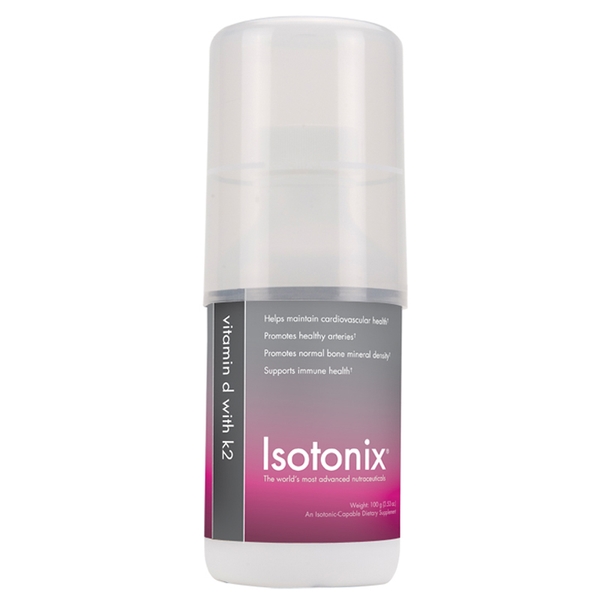
nutraMetrix Isotonix Vitamin D with K2 contains vitamin D3, the metabolically active form of vitamin D, along with vitamin K2, a form of vitamin K which supports vascular health and calcium utilization. Vitamin D plays an important role in bone health, heart health and immune support, while working with vitamin K to support normal absorption of calcium and promote healthy arteries. nutraMetrix Isotonix Vitamin D is the first of its kind to deliver both of these powerful vitamins with isotonic delivery.

Vitamin K is included in nutraMetrix Isotonix Vitamin D with K2 because of its unique partnership with vitamin D. Vitamins K and D work together to support calcium absorption and utilization. Vitamin K supports the normal delivery of calcium to the bones and promotes healthy arteries.
At least two naturally-occurring forms of vitamin K have been identified and are known as K1 and K2. While there are many similarities between these two forms of vitamin K, they are distinguished by their important differences. The most significant difference between K1 and K2 is their chemical structure which results in different pharmacokinetic properties. Vitamin K1 is retained primarily in the liver where, at high doses, it may interfere with the action of warfarin and other anticoagulant medications.  

Vitamin K2 has a different mechanism of action. It is transported primarily to bones and blood vessels. Vitamin K2 helps to maintain bone mass, support calcium utilization and promote elasticity of blood vessels.   

Some studies have concluded that vitamin K2 does not interfere with anticoagulant medications.* However, most products containing vitamin K (including K1 and/or K2) warn users taking anticoagulants not to take the product. If you are currently taking warfarin or another anticoagulant medication, you should consult your physician before taking any product containing vitamin K1 or K2.

Isotonix dietary supplements are delivered in an isotonic solution. This means that the body has less work to do to obtain maximum absorption of the nutrients. The isotonic state of the suspension allows nutrients to pass directly into the small intestine and rapidly absorb into the bloodstream. With Isotonix products, little nutritive value is lost, making the absorption of nutrients highly efficient while delivering maximum results.
http://www.nutrametrix.com/orlampa/index.cfm?action=shopping.nGoShopProducts&skuID=13972&refEmail=&switchPrdCountry=USA
http://bit.ly/12CgXFo

To learn more about Isotonix Vitamin D with K2 or to order, please contact us at:
www.HealthyAzKids.com 
Free Shipping on all orders over $100