Saturday, May 11, 2013

Vitamin Supplement Delivery Systems: What to Look For


Choosing the right vitamin supplement is more than just looking at the ingredients. The form in which the supplement is in can make all the difference in the quality of the supplement you are receiving.

Normally, when you ingest a daily vitamin or nutritional supplement tablet, your body must work for up to four hours digesting and absorbing the vitamins and nutrients. During this lengthy breakdown process, a percentage of the nutritive value is lost. Even still, some supplement products do not even break down due to harsh fillers and binders, but pass to the small intestine. When this takes place, none of the contents of the supplement can be absorbed by the body. This is one reason the bioavailability of pills and capsules are significantly lower than isotonic-capable supplements.

Tablets & Capsules: One thing to watch out for in tablets and capsules are binders and fillers. Binders and fillers can include lubricants and disintegrates to aid the body in absorption, but these are added ingredients that your body does not need.

Gummies & Chewables: Gummy and chewable supplements can be appealing because of their colors and tastes, but most are very high in sugars and have fewer active ingredients, making them less effective in delivering the maximum benefit.

Liquids: If you do not like swallowing tablets or chewing chewables, a liquid supplement may be for you. Liquids may also have a great taste but, many liquid supplements include preservatives that can interfere with the active ingredients.

Isotonic: Isotonic, meaning “same pressure,” bears the same chemical resemblance of the body’s blood, plasma and tears. This means that the body has less work to do to obtain maximum absorption of the nutrients. The isotonic state of the suspension allows nutrients to pass directly into the small intestine and rapidly absorb into the bloodstream. Little nutritive value is lost, making the absorption of nutrients highly efficient while delivering maximum results with great flavor as well.


Everything you eat and drink, including nutritional supplements, must be made isotonic before passing into your small intestine where it can be absorbed.   When you eat food, drink a beverage, or take a pill or capsule, your stomach must first secrete diluting juices, enzymes, hydrochloric acid, and at least one vitamin-binding protein to continue the process of digestion. Muscular contractions of your stomach then mix the contents until a reasonably uniform solution is achieved. This process can take anywhere from 40 minutes to four hours.

The longer a supplement stays in the stomach, the longer the time before absorption can begin, because no appreciable absorption occurs from the stomach. Often the rate-limiting step in the absorption process is the time it takes for the tablet or capsule to disintegrate, and the nutrients to dissolve and equilibrate to the proper (isotonic) state to leave the stomach. When all this has been completed — up to 40 minutes after ingestion — the diluted, acid-attacked nutrients can enter the small intestine for absorption.


Nutrients that are already isotonic do not need to be broken down into an isotonic state. Therefore, gastric emptying occurs more rapidly. Biological sensors in the gastrointestinal tract detect that the ingested solution is isotonic and at a correct pH. This causes the pyloric valve at the lower end of the stomach to remain open, allowing the concentrated solution to be squirted into the small intestine by stomach contractions. Absorption of the nutrients by the intestinal mucosa then starts to occur.

Friday, May 10, 2013

Low Levels of Omega-3 May Increase Postpartum Depression Risk


Low levels of omega-3 polyunsaturated fatty acids (PUFA) may moderately increase women's risk of developing postpartum depression (PPD), a literature review suggests.
Gabriel Shapiro, MPH, and colleagues from the University of Montreal and the Centre de Recherche du CHU Sainte-Justine, Montreal, Canada, report that the review shows several carefully conducted studies that indicate an association between the serotonin transporter (5-HTT) genotype and PPD.
"The literature shows that there could be a link between pregnancy, omega-3, and the chemical reaction that enables serotonin, a mood regulator, to be released into our brains. And many women could bring their omega-3 intake to recommended levels," they said in a release.
The 5-HTT gene modulates the reuptake of 5-HT at brain synapses and is the main neurobiologic feature of depression. The 5-HTT gene is also the target of selective serotonin reuptake inhibitors.
Several studies that investigated depressive symptoms after delivery showed a significant positive association between depressive symptoms and either 5-HTT expression levels at 8 weeks postpartum or the presence of the short allele carrier status of the 5-HTT gene and PPD.
"Few studies have studied by the 5-HTT gene and omega-3 together, so what we see are 2 parallel links in both of these literatures, and there is a link between omega-3 fatty acids and either depression or PPD," principal investigator Jean Séguin, PhD, Centre de Recherche du CHU Sainte-Justine, told Medscape Medical News.
"So the link with 5-HTT is the one we are going to look into further to see if supplementing women with proper nutrition would attenuate the risk," he added
The study is published in the November issue of the Canadian Journal of Psychiatry.
Social Risk Factors
Social risk factors that predict PPD include a strained marital relationship, low social support, and stress life events. A family history of depression or mood disorders is also implicated in the development of PDD.
Beyond social influences, one key environmental factor may be nutrition, so the researchers focused on the 5-HTT genotype and omega-3 PUFA status.
Omega-3 and omega-6 fatty acids are the 2 main families of essential fatty acids, but the omega-3 fatty acid, docosahexaenoic acid (DHA), is an important building block of the central nervous system (CNS) in infants.
Its availability during pregnancy and lactation may also influence maternal mental health and, later, childhood developmental outcomes.
As for omega-3 fatty acids and PPD, the authors note that omega-3 fatty acids directly affect brain activities, including neurotransmitter uptake.
Because omega-3 fatty acids stores are transferred from the mother to the fetus during gestation and lactation, levels of maternal omega-3 fatty acids decline during pregnancy and remain low at least 6 weeks into the postpartum period.
Intake of omega-3 fatty acids in the North American diet in general is already well below recommended levels, and this is particularly true for pregnant women.
In fact, the investigators estimate that it would take a 4-fold increase in fish consumption to bring intake of several key fatty acids up to recommended levels.
Results of intervention studies in general have not demonstrated any benefits of omega-3 fatty acid supplementation during pregnancy for the prevention or treatment of perinatal depression.
On the other hand, Dr. Séguin and colleagues would disagree, suggesting that clinical trials of omega-3 supplementation in patients with major depressive disorder have demonstrated clinical benefit, even if this benefit is only moderate.
The Montreal group also suggest that if pregnant women are unsure if they are getting enough omega-3 in their diet or if they are at risk for PDD, they should discuss these issues with their family doctor or obstetrician.
Health Canada, a federal department in Canada responsible for helping Canadians maintain and improve their health, has a Web site with a special section on omega-3 intake for pregnant women.
Need to Learn More
Nada Stotland, MD, past president of the American Psychiatric Association, Rush Medical College, Chicago, Illinois, told Medscape Medical News that the "study is important, but it's also very clear that we need to learn more about this possible link between omega-3 fatty acids and PPD."
 
"My concern is that people will read it as a definitive answer when the study is saying exactly the opposite of that," Dr. Stotland said.
Dr. Stotland noted that the authors themselves are suggesting there may be a link between low levels of omega-3 fatty acids and the risk for PDD, but they conclude only that this is a very fertile area for further study.
"We don't want to make people who suffer from PDD think that if only they had eaten differently, all would have been well," Dr. Stotland emphasized.
On the other hand, any intervention that could decrease the rate and severity of PDD "would be a big boon to everybody — not only to mothers but to their children and families as well."

nutraMetrix Heart Health Essential Omega III Fish Oil with Vitamin E provides the three grams of EPA† (eicosapentaenoic acid) and DHA† (docosahexaenoic acid) that studies reveal is the most effective amount to promote overall cardiovascular health.   nutraMetrix Heart Health Essential Omega III Fish Oil helps maintain normal cholesterol, triglyceride and blood pressure levels, helps maintain healthy levels of C-reactive protein, helps maintain normal blood flow and helps enhance mood
http://bit.ly/ZVkDyA

Saturday, May 4, 2013

Cognitive Health


The brain is a complex organ that acts as the control center of the body. Many factors affect how the brain works physically, how that affects the body, and how a person perceives how they are at any given time. Dietary intake, health, chemical or environmental agents, and supplementation can affect the functioning of the brain.
The brain is responsible for the regulation and control of all bodily activities and functions. The average human brain weighs approximately 3 lbs and contains 50-100 billion nerve cells. These cells transmit information back and forth by electrical or chemical signaling (neurotransmitters). The brain is responsible for controlling emotions and moods, as well as how a person acts, thinks, reasons, learns, and remembers through physical means. It allows the body to understand and process what is seen, heard, tasted, and smelled. The brain also controls heart rate, breathing, muscle contracts, coordination, and much more.
Factors that affect brain health
Nutrition and energy sources
The brain cells, as do all cells in the body, need energy to survive and work optimally. The cells of the brain use approximately 20% of the energy used by the body. Adenosine triphosphate (ATP) is the main energy source for the majority of cellular functions and reactions. It also plays a role in signal transmission from cell-to-cell within the brain. To fuel the production of ATP the body and brain uses food energy sources such as carbohydrates and fats. Vitamins and minerals are also needed as they act as co-factors and co-enzymes in the reactions that allow for the metabolism of food sources, the formation and use of ATP, and many other physiological reactions.
Neurotransmitters, comprised of amino acids derived from protein, play important roles in stimulating reactions directed by the brain. Neurotransmitters are important in regulating learning and memory, movement, mood, behavior, sleep, appetite, alertness and much more. A diet that provides carbohydrates, proteins, fats and the right amounts of vitamins and minerals is necessary to support healthy brain and body functions.
Free Radical Damage
Free radicals are products of many physiological reactions and environmental factors such as smoking or pollution. A free radical is a highly reactive molecule or atom with an unpaired electron in its outer shell. The unpaired electron will always look to pair up with another electron in order to stabilize the molecule. As free radicals move throughout the body, they capture electrons from other cells, thereby destabilizing those cells and creating more radicals. These radicals can cause damage, impaired activity, or death in other cells. Free radical damage has been implicated in neurodegenerative diseases, cancers, and other health issues.
Antioxidants are thought to help protect the body by neutralizing free radicals and reducing the occurrence of radical damage. Antioxidants work on radicals by donating the necessary electron needed to stabilize them. Antioxidants themselves are stable compounds and cannot become free radicals even after losing an electron. Research has shown that supplementing with antioxidants may have beneficial affects on diseased states and their progression.
Aging
Aging can affect the brain in many ways. The ability to make and retain memories decline, neural function declines, neurotransmitter production is decreased, and the structure of the brain changes. These changes affect a person’s way of life, their habits, and their relationships with other people. Aging also increases the risk for developing common neurodegenerative diseases such as Alzheimer’s disease, Parkinson’s disease, cerebrovascular disease and more.
Keeping the brain and body active, eating a healthy diet, and keeping a positive outlook has been shown to be important in reducing the effects of aging on the brain. Doing mind challenging puzzles and games, taking in the right amounts of vitamins and minerals, and exercising are just some strategies suggested for keeping a more youthful brain.
Health Conditions
Several health conditions have been shown to affect brain health. Hypercholesterolemia, neurodegenerative diseases such as Alzheimer’s and Parkinson’s, and diabetes are just a few health conditions that can degrade brain health. These conditions can affect blood and nutrient flow to the brain, structure and function of the brain, and even contribute to the death of neurons within the brain.
Depression, mental illness, and excess stress can also affect the brain. These can result from actual imbalances within the functioning of the brain or body, or through life-induced occurrences and perceptions.

Supplementation

 Several natural products have been proven to be beneficial for keeping the brain healthy, alert and active.
Ashwagandha and Rhodiola Rosea: Both appear to promote a decrease in stress, an increase in mental clarity, and to inhibit the feeling of fatigue. They appear to influence the levels and activities of neurotransmitters such as dopamine, epinephrine and norepinephrine, and serotonin.


TLS ACTS Adrenal, Cortisol, Thyroid & Stress Support Formula, specially formulated with Rhodiola and Ashwagandha, works specifically to promote healthy adrenal gland function, cortisol levels and thyroid function to help control stress levels and minimize weight gain that is associated with increased stress
http://bit.ly/SwAyOd


Caffeine: Appears to promote alertness, stimulate memory and brain activity, and increases glucose and lipid metabolism. Research shows that caffeine may have some protective affect on neurotransmitter receptors within the brain.
Gingko: Gingko provides some antioxidant protection against free radicals for neurons and brain tissue which might help to prevent progression of tissue degeneration. It also appears to improve microcirculation within the central nervous system (CNS) which improves the flow of blood and nutrients to brain cells. Gingko may help to influence the levels and availability of neurotransmitters in a positive fashion.


nutraMetrix MochaTonix is a powerful mental enhancer, delivering essential nutrients to the brain to support the normal synthesis of necessary noradrenalin, an important neurotransmitter, to promote alertness, concentration and clarity. Contains Guarana, Green Tea Extract, Yerba Mate, Rhodiola Rosea, Ginko Biloba and essential amino acids
http://bit.ly/W0C0YR


Curcumin/Turmeric: Current research supports curcumin may help to  decrease the buildups of proteins (amyloids) in brain tissue. These buildups have been associated with several neurodegenerative diseases.


There are many curcumin products on the market, but nutraMetrixCurcumin Extreme with BCM-95® has superior bioavailability and absorption. Curcumin Extreme promotes liver detoxification, promotes healthy glutathione levels and normal cellular regeneration Helps to maintain neurological and good cognitive health as we age.  Promotes neurological health and Protects neurons from the negative effects of free radicals.  http://bit.ly/124raXd


.Vinpocetine: Selectively dilates the arteries and capillaries in the head area, reducing vascular resistance, improving cell production of ATP, and promoting better circulation to the brain. By increasing circulation, it allows for improved nutrient and oxygen delivery to brain cells.

Cognitin has a select ingredient combination to enhance memory and inhibit oxidative stress to the brain. Alpha-lipoic acid has antioxidant activity that can scavenge free radicals in the brain to stop the undesirable chain reaction they cause. Alpha-lipoic acid is both water and fat soluble, and can regenerate endogenous antioxidants, such as vitamin E, vitamin C, and glutathione, and inhibit oxidative stress. Vinpocetine and acetyl l-carnitine help maintain healthy blood circulation in the brain.  http://bit.ly/15howCc


Friday, May 3, 2013

Pycnogenol® Supports Blood Vessel Health in New Study


Research reveals Pycnogenol® naturally improves circulatory and endothelial function in patients with coronary artery disease


The body’s first line of defense against coronary artery disease, the most common type of heart disease, are endothelial cells. These cells serve as the “traffic cop” for blood flow, directing blood to the appropriate area of the body such as the heart, brain, muscles or digestive system to support the body’s actions. A study published in the January 2012 issue of European Heart Journal found that natural supplement Pycnogenol® (pic-noj-en-all), an antioxidant plant extract from the bark of the French maritime pine tree and natural solution for heart health, improves endothelial function in patients with stable coronary artery disease. 
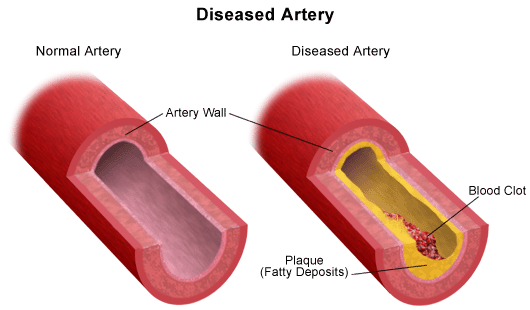
“When coronary arteries are narrowed or blocked by plaque build-up, oxygen-rich blood cannot reach the heart muscle, often leading to a heart attack,” says Dr. Frank Enseleit, the lead study researcher. “The results of this study show for the first time that Pycnogenol® significantly improves endothelial function and blood flow in patients with coronary heart disease.”
The randomized, double-blind, placebo-controlled, crossover study was carried out at the Clinic for Cardiology at the University Hospital Zurich in Switzerland. The study investigated 23 patients with stable coronary artery disease, as documented by coronary angiography, nuclear imaging or positive stress test.
Patients were assigned to two groups. Patients in Group One received Pycnogenol® (200 mg/d) for eight weeks, then took placebo for another eight weeks. Group Two received the opposite sequence of placebo first, followed by eight weeks with Pycnogenol®. Before and after the eight weeks of treatment, blood samples were taken and the flow-mediated dilatation of the brachial arteries in the upper arm was established.
After eight weeks of treatment with Pycnogenol® the study found:
·         Pycnogenol® increased artery dilation by 32 percent, a significant change, while it remained unchanged in the placebo group
·         Pycnogenol® significantly reduced plasma-8-isoprostaries, an index of oxidative stress
·         Pycnogenol® demonstrated significant effects on a critical measure of endothelial function, reducing plasma levels of endothelin-1
 
“The balance between endothelial function and dysfunction plays an important role in the transition from a stable to an unstable disease state. As such, the evaluation of endothelial function has emerged as an important end point in cardiovascular research,” says Dr. Frank Enseleit. “After Pycnogenol® usage, we were able to identify a significant improvement of endothelial function in individuals who depend on medications as a result of their heart disease. Pycnogenol® appears to help restore a body’s own functions in flow-mediated arterial dilatation.”
 
This groundbreaking study further strengthens Pycnogenol®’s already large arsenal of cardiovascular health benefits. Past clinical trials have shown beneficial effects of Pycnogenol® on chronic inflammation as well as cardiovascular risk factors including hypertension, cholesterol and platelet function. This new study also provides further evidence on the safety of Pycnogenol® for patients taking cardiovascular medicines.
 
About Pycnogenol®
Pycnogenol® is a natural plant extract originating from the bark of the maritime pine that grows along the coast of southwest France and is found to contain a unique combination of procyanidins, bioflavonoids and organic acids, which offer extensive natural health benefits.  The extract has been widely studied for the past 40 years and has more than 280 published studies and review articles ensuring safety and efficacy as an ingredient.  Today, Pycnogenol® is available in more than 700 dietary supplements, multi-vitamins and health products worldwide.  For more information, visit www.pycnogenol.com.
About Horphag Research
Horphag Research Ltd. is the exclusive worldwide supplier of Pycnogenol® (pic-noj-en-all) French maritime pine bark extract. Pycnogenol® is a registered trademark of Horphag Research Ltd.; Guernsey and its applications are protected by U.S. patents and other international patents. Horphag Research Ltd. Is the recipient of the 2008 Frost & Sullivan North American Health Ingredients Excellence in Research Award.  For more information about Pycnogenol® visit our
 
 
nutraMetrix Isotonix OPC-3® is an isotonic-capable food supplement that is made from a combination of bilberry, grape seed, red wine and pine bark extracts(Pycnogenol), and citrus extract bioflavonoids, all found to be powerful antioxidants.


Primary Benefits of nutraMetrix Isotonix OPC-3®*:
  • Combats free radicals
  • Demonstrates anti-inflammatory activity
  • Helps maintain healthy cholesterol levels
  • Helps maintain healthy circulation by strengthening capillaries, arteries and veins
  • Helps maintain joint flexibility
  • Helps promote cardiovascular health
  • Helps reduce mild menstrual cramping and abdominal pain
  • Helps support visual health/visual acuity
  • Potent free radical scavenger
  • Promotes healthy blood vessel dilation
  • Promotes healthy nitric oxide levels
  • Supports a healthy complexion
  • Supports healthy blood glucose levels
  • Supports healthy platelet activity
  • Supports healthy sperm quality
  • Promotes sinus comfort
  • Supports immune health

Wednesday, April 24, 2013

Casein and Whey Protein: Fuel for your Workout


It is widely accepted by athletes, body builders and even doctors that protein is the single most important supplement for building, growing, and repairing muscle. Whether you’re looking to shed fat, get ripped, or bulk up, protein is a major component of any good exercise regimen. Men and women alike can benefit from protein supplements, especially whey and casein varieties.
Fuel your workouts with casein and whey proteinsWhey protein is a natural byproduct of cheese production and is also the highest quality protein available. This is because whey has the ideal amount of branched chain amino acids (BCAA), which are essential for building, repairing and growing muscle tissue. Aside from physical benefits, whey also helps stabilize mood and blood sugar levels, increase concentration and attention, and promote a healthy immune system. The stabilization of blood sugar levels reduces food cravings and increases energy levels, both of which aid in weight loss.
Building muscle isn’t just for meat heads; it also aids in burning fat. Since muscle weighs more than fat, many dieters may weigh themselves and perceive an increase in weight as an increase in fat. In fact, the opposite may be true. An estimated 500 calories is burned for every 10 pounds of muscle. With this in mind, an individual that gains a pound of muscle can consume 50 more calories per day without gaining weight. Thus, muscle building aids in weight loss by increasing the amount of calories burned.
While whey protein is the king of building muscle, casein protein is the king of maintaining muscle. Catabolism of muscles (breaking down muscle tissue) can and does occur on a regular basis. This reduces a person’s strength and is likely to increase the Help reduce inches from your waistline with proper workout regimensperson’s fat weight due to the decrease in the number of calories the person burns each day. It is impossible to completely eliminate catabolism of muscles, but it can be reduced. Casein protein is unique in that it coagulates in the stomach and releases amino acids into the blood stream for up to 7 hours before it is completely digested. This supplies the body with a constant stream of muscle building amino acids, which help to reduce catabolism.
The most beneficial time to take a protein supplement is immediately after a workout. During exercise muscles burn amino acids for fuel and whey protein will resupply the muscles with the amino acids they need to repair, grow and build. Taking a protein supplement that contains essential amino acids, especially leucine and glutamine, immediately after exercise is critical to initiating protein synthesis (the building of muscle tissue). It is also important to consume casein protein after a workout, since it will supply the muscles with a constant stream of these beneficial amino acids over a long period of time, which has been proven to reduce muscle soreness.

Many protein supplements tout the high number of grams of protein per serving, but as with most everything it is possible to take too much. After exercising, the human body can process about 20 to 25 grams of protein. Any additional protein ingested is either burned as a fuel or stored as fat. However, several servings can be taken per day. Most athletes take one serving of protein supplement per day to account for about 25 grams of their protein intake plus any additional protein from the food they consume. Bodybuilders take about 1 gram of protein per pound of bodyweight by taking multiple servings of protein supplement throughout the day. Thus, the serving sizes vary depending on the purpose. For dieting, the athlete’s portion, one serving of 25 grams, is recommended, but for building mass the bodybuilder’s portions, one gram of protein for every pound of weight, are recommended.

Not all protein supplements are the same. The ideal protein supplement should be a mixture of whey and casein protein, since both have the best results if taken immediately after a workout. Also, most proteins have servings of at least 20 grams; with that in mind, if whey and casein are taken separately, the overall protein intake will be at least 40 grams if one serving is taken of each. As the previous paragraph stated, the body can only process about 25 grams of protein at a time, so anymore will not be digested or will be stored as fat.


Torch™ After-Burn is formulated with both whey and casein protein, B vitamins aswell as Vitamins C and E to increase muscle cell hydration, stimulate muscle growth, promote muscle comfort after workouts, and provide the body with a cardiovascular defense and energy boost. 
http://bit.ly/QkdWPk


Whey and casein protein are beneficial to men and women that want to gain muscle mass, burn fat, or tone up. Protein is the single most important supplement for dieting and bodybuilding, but should not be considered as the only beneficial supplement. To truly reap the rewards of your exercise routine, it is also important to supply the body with essential amino acids, carbohydrates, and creatine before a workout, as well as glutamine and alanine (amino acids) during a workout, since they are burned quickly and can be depleted before the end of the workout.

Friday, April 19, 2013

Study Shows Pycnogenol® Naturally Improves Tinitus


Study Demonstrates Pycnogenol® Naturally Improves Tinnitus
Research shows Pycnogenol® is effective in relieving tinnitus symptoms and improving inner ear blood flow
GENEVA, Switzerland – More than 50 million Americans will experience some degree of tinnitus in their lifetime, according to the American Tinnitus Association. Tinnitus is a hearing condition that causes the constant misperception of sound, including hissing, ringing and rushing noises. A study recently published in Panminerva Medica reveals that Pycnogenol® (pic-noj-en-all), an antioxidant plant extract derived from the bark of the French maritime pine tree, is effective in relieving tinnitus symptoms by improving blood flow in the inner ear.
“Impaired blood flow to the ear is a common cause for tinnitus, a disturbing and very debilitating condition that can considerably impact overall health and quality of life,” said Dr. Gianni Belcaro, a lead researcher on the study along with his team from Irvine3 Vascular labs, Chieti-Pescara University. “With few options available for treatment, this study gave us the opportunity to explore a natural solution to tinnitus symptoms and its causes.”

In a study conducted by the Chieti-Pescara University in Italy, 82 patients between the ages of 35 and 55 with mild-to-moderate tinnitus in only one ear, while the other remains unaffected, were studied throughout a four-week period. Tinnitus in all subjects was a result of restricted blood supply to the inner ear, as measured by high resolution ultrasonography imaging of their cochlear blood flow. Patients were assigned to one of three groups: A, B and control. Group A consisted of 24 patients who were administered 150 mg/day of Pycnogenol®, group B consisted of 34 patients who were administered 100 mg/day of Pycnogenol®, and the control group consisted of 24 patients who received no Pycnogenol®. None of the patients had previously used medication for their tinnitus symptoms.

At the beginning of the study, patients’ average initial systolic and diastolic blood flow velocities were 14.3 and 4.22 cm/sec in the low dose Pycnogenol® group and 13.2 and 3.2 cm/sec in the high dose Pycnogenol® group, indicative of insufficient blood perfusion of the ear in both groups. The study found that after four weeks of treatment with Pycnogenol®, inner ear systolic and diastolic blood flow velocities in the affected ear rose to an average of 21.2 and 8.23 cm/sec in the low dose group and to 24.3 and 12.5 cm/sec in the high dose group. Not only are these results significant for the improvement of inner ear blood micro-circulation and, consequently reduction of tinnitus symptoms, but they also indicate the potentially dose-related effect of Pycnogenol® on the condition.

The study also examined in detail the effects of Pycnogenol® on the symptoms of tinnitus. Using a Subjective Tinnitus Scale (STS) at the inception of the study, subjects were instructed to rate their symptoms from “zero” (low intensity of symptoms) to “fifteen” (constant and severe symptoms). The initial STS average value was approximately 8.8 among patients in the Pycnogenol® group and 7.9 in the control group. After four weeks, STS scores reduced to 5.2 in the low dose group and 3.3 in the high dose group, demonstrating a dramatic reduction of the disturbing background noise in the effected ear. There were no significant changes within the control group.

“The study clearly indicates Pycnogenol®’s ability to improve vascular function and restore cochlear blood perfusion, which in turn relieves the severity of tinnitus symptoms” said Dr. Belcaro. “The results provide further evidence of the supplement’s natural efficacy for a variety of vascular health symptoms.”
This study further corroborates Pycnogenol®’s prominence for improvement of vascular function which spans from the large arteries and veins to the tiniest micro-vessels.

Pycnogenol® is a proprietary, patented pine bark extract and the research findings detailed here and in other published journals may not be applied to other pine bark extracts on the market.
About Pycnogenol®

Pycnogenol® is a natural plant extract originating from the bark of the maritime pine that grows along the coast of southwest France and is found to contain a unique combination of procyanidins, bioflavonoids and organic acids, which offer extensive natural health benefits. The extract has been widely studied for the past 40 years and has more than 230 published studies and review articles ensuring safety and efficacy as an ingredient. Today, Pycnogenol® is available in more than 700 dietary supplements, multi-vitamins and health products worldwide. For more information, visit www.Pycnogenol.com.

About Horphag Research
Horphag Research Ltd. is the exclusive worldwide supplier of Pycnogenol® (pic-noj-en-all) French maritime pine bark extract. Pycnogenol® is a registered trademark of Horphag Research Ltd.; Guernsey and its applications are protected by U.S. patents #5,720,956 / #6,372,266 and other international patents. Horphag Research Ltd. Is the recipient of the 2008 Frost & Sullivan North American Health Ingredients Excellence in Research Award. For more information about Pycnogenol® visit our Web site at www.pycnogenol.com


Isotonix OPC-3 is a dietary supplement that bears some of the most powerful bioflavonoids currently known to research scientists. These bioflavonoids are scientifically termed oligomeric proanthocyanidins, commonly abbreviated OPCs. The purest and best-researched OPCs chosen for OPC-3 are prepared from grape seed, red wine, bilberries, Pycnogenol from pine bark and citrus fruit. This combination of powerful OPCs is unique to OPC-3, as is the Isotonix® delivery system, which enables rapid and highly efficient absorption of the OPCs. Isotonix OPC-3 has been shown to provide a variety of health benefits including, but not limited to, combating free radicals, demonstrating anti-inflammatory activity, helping maintain healthy cholesterol levels, helping maintain healthy circulation by strengthening capillaries, arteries and veins, helping maintain joint flexibility, helping promote/support cardiovascular health, helping reduce mild menstrual cramping, helping support visual health/visual acuity, scavenging free radicals, promoting healthy blood vessel dilation, promoting healthy nitric oxide levels, supporting a healthy complexion, supporting healthy blood glucose levels, supporting healthy platelet activity and supporting healthy sperm quality.*
http://bit.ly/179ppd8

Sunday, April 14, 2013

Women’s Health

www.ExploreSupplements.com

Women are unique from men in many ways. During an average woman’s lifetime she will experience many physical changes and challenges, some great and some small, that men will never have to deal with, or if they do it will be to a lesser degree. Women face menstruation, pregnancy, menopause, osteopenia and/or osteoporosis, and estrogen related cancers along with many of the same health issues that plague men such as heart disease.
Factors that affect women
Menstruation
Menstruation starts around the onset of puberty (about 10 years old), though actual menarche (first menstrual cycle) may not occur until 12–13 years of age. Menstruation is the visible phase of the menstrual cycle, occurring on average every 28 days, during which the uterine lining is shed. Menstrual cycles continue to occur throughout the reproductive period in a woman’s life. These cycles consist of the ovaries producing a mature egg (ovum) for possible fertilization, the preparation of the uterus for implantation if fertilization occurs, and finally the shedding of the uterine lining when no pregnancy results.
The first day of menstruation is considered the first day of each menstrual cycle, and normal menstruation lasts 2-7 days. During menstruation women on average lose 50 ml of blood, though it can much less or more.
During the menstrual cycle women experience large shifts in hormone levels which can affect several aspects of their being. Breast pain, mood distortions, cramping, bloating, headache, and back pain are just some of the issues women experience. Blood loss results in iron loss, so women need to keep iron intake high in order to restore iron levels and reduce the possibility of anemia. Menstrual cycles and menstruation ends at menopause.
Pregnancy
Pregnancy begins with the fertilization of an egg by a single sperm. This coupling develops into an embryo, which after 8 weeks develops into a fetus. A typical pregnancy lasts approximately 40 weeks and is divided into 3 trimesters with each trimester representing a different stage of prenatal development.
During pregnancy women experience many changes within their bodies. Their nutritional needs, physical appearances, and hormone levels change considerably from their pre-pregnancy states. Vitamins and minerals are especially important during pregnancy as they help the body provide for its own needs and the needs of the fetus. Whenever vitamin and mineral intakes are increased prior to conception the possibility of a healthy pregnancy, a positive pregnancy outcome, and a healthy infant increases.
Isotonix® Prenatal Activated Multivitamin is an isotonic-capable supplement that delivers metabolically active forms of folic acid and other B-vitamins, in addition to supplying the Recommended Daily Allowance of key vitamins and nutrients needed for an expectant mother. Taking a prenatal multivitamin with the activated forms of vitamins and minerals is important, especially to pregnant women, because it reduces the amount of effort required to activate and use the nutrients. http://bit.ly/T4ziAz
Menopause
Menopause is the cessation of the reproductive period of a woman’s life. During this period, women experience the cessation of menstruation and decreases in the hormones estrogen and progesterone. These changes can cause many women to experience both physical and emotional challenges. Hot flashes, night sweats, mood swings, depression and/or anxiety, loss of libido and the reduced ability to have enjoyable sex, breast pain, weight gain, fatigue, hair loss, memory or concentration problems, and bone softening or loss are just some of the problems women have reported. Menopause can last for 4-5 years or longer for most women.  After menopause the risks for heart disease, osteopenia and osteoporosis, and other medical conditions greatly increase.
Osteopenia and Osteoporosis
Osteopenia and Osteoporosis are diseases of the bone. Osteopenia is a condition where bone mineral density (BMD) is lower than what is considered normal or healthy and so there is a thinning of the bones. Osteopenia is often considered to be a precursor to osteoporosis. Osteoporosis is a condition where bones are considered to have become ‘porous’. Osteoporosis affected bones are characterized as having a reduced BMD and mass, also there is an altered or decreased stability in the bone structure. Bones become weakened and prone to breakage. Pain, increases in the risks of falling and breaking bones, and an increase in the susceptibility to other health conditions such as arthritis are just some of the problems that accompany osteoporosis.
Supplementation and eating a diet sufficient in calcium, magnesium, and vitamin D3, as well as other vitamins and minerals, is important for preventing and reducing the impact of osteopenia and osteoporosis.

nutraMetrix Isotonix Calcium Complete provides the body with an optimal blend of calcium, vitamin D3, magnesium, vitamin C and boron in an efficient isotonic solution that is readily absorbed by the body.  nutraMetrix Isotonix Calcium Complete paves the way for powerful results since it is in an isotonic form rather than a tablet. Calcium in tablet form is difficult for your body to absorb. People may fail to absorb tablet calcium supplements because the calcium supplement is not blended with vitamin D and magnesium; these are necessary to aid in the absorption and use of calcium http://bit.ly/OuITmo


Ingredient facts
Studies have shown several natural products to have positive affects on women and their distinct needs.
Ashwagandha: Ashwagandha has been proven to act as an adaptogen by helping to inhibit fatigue, boost energy, promote emotional well-being and counteract the negative effects of stress. Independent of its adaptogen activities, ashwagandha has also been shown to have some aphrodisiac properties.
TLS ACTS Adrenal, Cortisol, Thyroid & Stress Support Formula  works specifically to promote healthy adrenal gland function, cortisol levels and thyroid function to help control stress levels and minimize weight gain that is associated with increased stress http://bit.ly/SwAyOd


Chasteberry: Has been shown to be effective at relieving and reducing the occurrence of breast pain, irritability, fatigue and headache in women.
nutraMetrix® Female Support Formula is a natural supplement combined of 11 specially selected herbs  to help support stamina, alleviate mild symptoms of menopause, counteract mild adverse effects of premenstrual syndrome and helps stabilize mood. http://bit.ly/17bq8IX


Hops: Research has shown that hops has sedative, anti-inflammatory, and antioxidant effects. Studies on menopausal women supplemented with hops extract showed that hops helped to significantly decrease total menopausal discomforts, including a decrease in the number of hot flashes and night sweats.
nutraMetrix Glucosatrin contains Hops which confirmed value lies in its use for sleep aid, this herb has also been used to stimulate the appetite, support the flow of digestive juices and promote bone health. 
http://bit.ly/159fQN0