Monday, April 8, 2013

What Exactly does Fiber Do?

What exactly does fiber do?


By Dr. Melina Jampolis, Special to CNN


STORY HIGHLIGHTS
  • Fiber acts as a natural laxative by increasing stool bulk
  • Fiber can be found in whole grains, fruits, vegetables, nuts and beans
  • Soluble fiber slows the rate that food empties from your stomach

Editor's note: Dr. Melina Jampolis, CNN's diet and fitness expert, is a physician nutrition specialist and the author of "The Calendar Diet: A Month by Month Guide to Losing Weight While Living Your Life."
(CNN) -- Q: I've heard so much about fiber. What is it, what does it do and should you eat it or avoid it?
Fiber is a plant-derived carbohydrate that cannot be digested by humans, so it passes through your system relatively intact and has little to no caloric value.
There are two types of fiber: Soluble (dissolves in water) and insoluble (does not dissolve in water). Both play an important role in optimal health and occur naturally -- often together -- in foods such as whole grains, fruits, vegetables, nuts, seeds and beans.
Fiber acts as a natural laxative by increasing stool bulk, which allows stool to pass more readily through the colon. It can also help those with loose stools and may play a role in the management of irritable bowel syndrome. Many types of soluble fiber also act as prebiotics, feeding healthy bacteria in your gut, thereby further contributing to colon health.
Fiber, especially soluble fiber, also improves blood sugar control by slowing down the rate that food empties from your stomach, thereby delaying the rise in blood sugar after meals and preventing excess or exaggerated insulin release. Delayed stomach emptying may also help with weight loss by improving hunger control.
In addition, fiber adds bulk to your diet without adding calories and helps to reduce the calorie density of your diet, one of the most important strategies for long-term weight loss. Soluble fiber can help lower cholesterol, and a high-fiber diet may help reduce blood pressure, inflammation and reduce your risk of heart failure (especially fiber from whole grains).
Studies show that those with the highest intake of fiber have a significantly lower risk of dying of any cause. A recently published study by the National Cancer Institute that included almost 400,000 participants found that for every 10-gram increase in fiber intake, risk of death dropped 12% in men and 15% in women.
Women should consume about 25 grams of fiber per day and men should consume 38 grams. The majority of Americans get less than half the daily recommended amount of fiber.
Naturally occurring fiber is generally your best bet. Many products, including cookies, crackers, drinks, sugary cereals and even ice cream, are now adding fiber to appear more healthy. In most cases, these added fibers do not have the same health benefits as naturally occurring fiber.
Aim for a variety of sources of naturally fiber-rich foods including fruits, vegetables, whole grains, nuts, seeds and beans to ensure that you get all the health benefits -- along with a host of other health-promoting vitamins, minerals and phytonutrients.
Refined and highly processed grains and fruit juices are stripped of their naturally occurring fiber (and many nutrients), so it is important to choose whole foods for optimal health.
If you have trouble getting in adequate amounts of fiber daily or suffer from bowel problems or high cholesterol, talk to your doctor or a registered dietitian about adding a fiber supplement to your diet.
NutriClean Advanced Fiber Powder delivers top quality soluble fiber, with beneficial probiotics, which promotes the growth of good bacteria in the colon, keeping things in balance in terms of microorganisms.  
If you don't currently eat enough fiber, increase your fiber intake slowly to avoid unpleasant gut symptoms (such as gas and bloating) and make sure to drink plenty of water.
If you are gluten-sensitive or intolerant, there are a number of gluten-free grains, including quinoa, brown rice, oats and corn. For a full list of gluten-free grains, visit the nonprofit Whole Grains Council website.

Monday, April 1, 2013

Natural Relief for Allergies – Pycnogenol® is the Answer


by Crystal Shelton


The body’s immune system plays a very important role in respiratory health, specifically in conditions like hay fever/allergies and asthma. Allergens, such as pollen, pet dander or dust, can cause the immune system to be triggered, igniting inflammatory responses which in turn lead to a series of uncomfortable symptoms we know all too well.

Pycnogenol® is a natural plant extract from the bark of the maritime pine tree which grows exclusively along the coast of southwest France. The extract is a combination of procyandins, bioflavonoids and organic acids and has been clinically studied for a wide range of benefits. Pycnogenol® has been shown to help in a variety of health areas due to its four basic properties: acting as a powerful antioxidant, acting as a natural anti-inflammatory, selectively binding to collagen and elastin and aiding in the production of nitric oxide which helps to dilate blood vessels.
Mostly due to its anti-inflammatory properties, Pycnogenol®has a defined role in respiratory health, specifically with asthma and allergies. In human studies, it has been shown to help normalize the immune response by inhibiting Nuclear Factor-Kappa B and lowering the sensitivity level for triggering an immune response. Pycnogenol® has also been shown to inhibit the release of histamine from mast cells. When an allergic person comes into contact with an allergen, these cells release histamine which triggers the onset of symptoms such as sneezing, coughing, wheezing, itching, etc. – also referred to as hay fever. Hay fever is a huge concern, but many of the prescription drugs have unwanted side effects, such as drowsiness, and consumers are looking for that natural alternative. Pycnogenol® has been shown in human clinical studies to block histamine release and thus decrease these allergic response symptoms. Additionally, other research identified Pycnogenol’s effects of improved breathing for people suffering from allergic asthma.


nutraMetrix Isotonix OPC-3® is an isotonic-capable food supplement that is made from a combination of antioxidants bilberry, grape seed, red wine and pine bark extracts(pycnogenol), and citrus extract bioflavonoids, all found to be powerful antioxidants. 


Friday, March 29, 2013

Curcumin Shows Potential for Parkinson’s Disease

By Drew Hancherick

Curcumin, found in the Indian spice turmeric, is an antioxidant traditionally used to promote stomach and joint comfort. Because it can cross the blood-brain barrier, its benefits for neurological functioning and brain health are under investigation. According to recent research, curcumin shows promise in reducing factors that contribute to the onset of Parkinson’s disease.

In a new study, researchers from Michigan State University found that curcumin prevents the protein alpha-synuclein from clumping, instead forcing it to scatter. The aggregation of these proteins is considered to be one of the initial signs of the progression of Parkinson’s and other diseases. “Our research shows that curumin can rescue proteins from aggregation, the first steps of many debilitating diseases. More specifically, curcumin binds strongly to alpha-synuclein and prevents aggregation at body temperatures,” wrote Professor Lisa Lapidus, co-author of the study published in the Journal of Biological Chemistry. Not only does curcumin stop the protein from clumping, but it also facilitates its folding and reconfiguration – a process that helps it avoid clumping with other proteins.

Antioxidants are among the most researched ingredients on the health and nutrition marketplace today. Supplements containing curcumin are known for their joint and stomach health benefits, as well as their potential for brain and mental health functions. Adding curcumin to a healthy diet looks like a smart choice for both mind and body.

Curcumin Reduces Risk of Parkinson’s Onset

by Chake Faye

In recent years researchers have begun to explore the positive benefits of the compound curcumin, usually found in the spice turmeric. Researchers have found that curcumin as a supplement can be effective in preventing or reducing the risk of certain illnesses and diseases.

New research has revealed that curcumin could prevent the onset of Parkinson’s disease in patients. In a study, led by Lisa J. Lapidus, sponsored by the National Science Foundation Grant, observation revealed that curcumin prevents the aggregation (clumping) of proteins by forcing them to scatter away from each other.

The “clumping” that these bodily proteins perform is infamous as being one of the first signs of Parkinson’s disease. Needless to say, curcumin is now being looked at as a possible preventative measure for certain illnesses.

“Our research shows that curcumin can rescue proteins from aggregation, the first steps of many debilitating diseases. More specifically, curcumin binds strongly to alpha-synuclein and prevents [protein clumping] at body temperatures.”

Curcumin has already been linked to several benefits such as preventing the growth of breast cancer, reducing risk of childhood leukemia and also as a natural remedy for depression.


nutraMetrixCurcumin Extreme with BCM-95® promotes liver detoxification, promotes healthy glutathione levels and normal cellular regeneration.  Scientists have long been aware of the wide array of health benefits from the Indian spice turmeric, which is a source of the active phytochemical curcumin. Until now, curcumin has been known to have poor bioavailability, requiring high doses to promote health. BCM-95® delivers significantly more pharmacologically bioactive curcumin into the blood than other curcumin sources. This new delivery system allows for a variety of health benefits.
http://bit.ly/Xqany3

Thursday, March 7, 2013

Astaxanthin - A Doctors Perspective

By Dr. Perry Krichmar

As a Health Professional, I’m thrilled that astaxanthin – one of the hottest ingredients on the market today – is getting the attention it deserves.
Over the last year-plus, it has been the subject of countless research studies, news articles and mainstream publicity thanks to the likes of Oprah Winfrey and Dr. Mehmet Oz, who raved about the benefits of astaxanthin on their talk shows.
This ingredient’s health benefits are plentiful: from its application to help alleviate the symptoms of hypertension and Type 2 Diabetes to more general health applications like cardiovascular support, eye fatigue relief, skin care and anti-aging protection, endurance and weight control, astaxanthin can be considered a one-size-fits-all approach to well-being.
Hypertension
Hypertension is a medical condition in which blood pressure in the arteries is elevated, requiring the heart to work harder than normal to circulate blood through the blood vessels. Hypertension is a major risk factor for stroke, myocardial infarction (heart attacks), heart failure, aneurysms of the arteries, peripheral arterial disease and is a cause of chronic kidney disease.
One of the main symptoms of hypertension is the thickening of the vascular walls, which reduces blood flow to the heart and increases systolic pressure. One research study showed that 5 mg of astaxanthin a day over a seven-week period reduced the thickness of the vascular wall by 47 percent.
In addition, recent studies have shown astaxanthin to help improve how the blood flows through the body, which can help reduce hypertension. One such study found that 6 mg of astaxanthin a day enhanced capillary blood flow by 10 percent – in only a ten-day period. Another study, conducted over a 30-day period, found that a 5mg a day dose of astaxanthin reduced systolic blood pressure (the measure of blood pressure while the heart is beating) by seven percent.
By improving the heart’s structure and reducing the amount of work needed to keep blood flowing, astaxanthin research is showing promising signs to help the heart work smarter, not harder.
Type 2 Diabetes
In people with type 2 diabetes – the most common form – the body does not produce enough insulin or the cells ignore the insulin, which is necessary for the body to be able to use glucose for energy. When you eat food, the body breaks down all of the sugars and starches into glucose, which is the basic fuel for the cells in the body. Insulin takes the sugar from the blood into the cells. When glucose builds up in the blood instead of going into cells, it can lead to diabetes complications.
New research into the effectiveness of astaxanthin preventing certain diabetes-related parameters has been promising. Studies have shown that eight weeks of astaxanthin usage can reduce cortisol levels by as much as 23 percent, expression of the lactic acid dehydrogenase (LDH) gene by 6.5 percent, and glycated hemoglobin molecules by 4 percent.
What does this mean? High cortisol levels can contribute to increased blood glucose and fat levels, markers for diabetes and pre-diabetes. LDH expression relates to the metabolism of glucose in the body, which is important for numerous organ functions when the genes are working properly. Overexpression of LDH can not only be a cause of concern for diabetes, but different forms of cancer (including testicular cancer, Ewing’s sarcoma, non-Hodgkin’s lymphoma, and some types of leukemia) and conditions such as heart failure, hypothyroidism and liver disease.
General Health Applications of Astaxanthin
Studied countless times for cardiovascular, vision, skin care and anti-aging benefits, astaxanthin has been proven to support and maintain your health in a variety of ways, from helping maintain normal cholesterol and blood pressure levels, to antioxidant protection, to muscle performance.
Research has shown that astaxanthin can help maintain normal cholesterol by protecting LDL (the bad kind of cholesterol) and triglyceride levels from free radicals through its powerful antioxidant defense. In addition, it works to maintain normal good cholesterol levels, or HDL, in the body.
Researchers conclude that for every 1 mg increase in good cholesterol HDL, the risk of cardiovascular diseases drops by three percent. A recent study found that astaxanthin users, over a 12-week trial, improved their HDL levels by as much as 11 percent.
Plus, astaxanthin has the ability to support healthy blood flow to and from the cardiac muscle. All of this helps to support your overall cardiovascular health.
For your vision, astaxanthin works to support healthy blood flow to the eyes — supporting visual focus and helping reduce the occurrence of occasional eye strain, helping the eyes to perform at their best. And, because of it efficacy, astaxanthin delivers more antioxidant power than any of the other carotenoids, displaying approximately 10 times the power of vitamin A.
One study found that individuals who received 5 mg of astaxanthin per day for one month showed a 54 percent reduction of eye fatigue complaints.
And that’s just scratching the surface. Astaxanthin has also been shown to:
  • Support muscle endurance and performance
  • Improve skin moisture and help to maintain skin elasticity
  • Provide a powerful antioxidant defense to help protect the entire body on a cellular level
In Conclusion
There are more and more studies being released about the wonders of astaxanthin. As we continue to peel back the layers of this amazing ingredient, the health community is finding more quality benefits that are helping people live healthier, longer.
A final note: many studies are based on doses of six mg or more, so it is important – if you are investigating whether astaxanthin supplementation is right for you – to talk with your Health Professional about the type of astaxanthin available, including the serving amounts. It really does make a difference.

After graduating from SUNY Binghamton, Dr. Krichmar attended Long Island University where he obtained his master’s degree in biomedical sciences. He completed his internship and residency in Internal Medicine at Griffin Hospital in Derby, Conn. He is board certified in internal medicine and cardiology.


nutraMetrix® Prime Astaxanthin Cardio & Visual Vitality Formula uses AstaReal® astaxanthin. Guaranteed for high quality and stability, AstaReal® astaxanthin ranks among the purest and most powerful antioxidants available.   nutraMetrix® Prime Astaxanthin Cardio & Visual Vitality Formula delivers a 6 mg serving of this high-grade astaxanthin in a single serving, providing the optimal amount in every pill http://bit.ly/TCDAiZ


http://www.HealthyAzKids.com

Sunday, February 24, 2013

Omega 3s and Brain Aging

Posted on by Sean Wells

Omega 3 fatty acids have become–in relative terms–an instant classic in the area of heart health, but research is increasingly aimed at the examination of cognitive function in relation to Omega 3s. It has been investigated in regards to ADHD and shown potential, and these encouraging results in regard to mental focus led to curiosity about any effects of these healthy fats on the physical structure of the brain, in addition to it’s maintenance and proper function.
For this particular study, conducted at UCLA, 1,575 people with an average age of 67 and judged as free of dementia underwent MRI brain scans in order to assess physical qualities such as overall brain mass and hippocampal volume. They were also given tests that measured mental function, body mass and the omega-3 fatty acid levels in their red blood cells.
The researchers found that people whose DHA (docosahexanenoic acid) levels were among the lowest 25 percent of the participants also displayed lower brain volume compared to people who had higher DHA levels. In a corresponding manner, participants with levels of all omega-3 fatty acids in the bottom 25 percent also scored lower on tests of visual memory and executive function, such as problem solving, multi-tasking and abstract thinking.
“People with lower blood levels of omega-3 fatty acids had lower brain volumes that were equivalent to about two years of structural brain aging,” said study author Zaldy S. Tan, MD, MPH, of the Easton Center for Alzheimer’s Disease Research and the Division of Geriatrics, University of California at Los Angeles. The researchers went on to conclude that there is an association with lower levels of DHA and smaller brain volume accompanied by what was described as a “vascular” pattern of impaired cognitive function.

nutraMetrix® Heart Health™ Essential Omega III Fish Oil with Vitamin E
contains 900mg EPA & 600mg DHA(recomended amounts) and 3000mg of fish oil total where most other commercial products contain a third of the total fish oil contained in nutraMetrix Heart Health Essential Omega III.
 

Saturday, February 9, 2013

Hyaluronic acid: Natures Fountain of Youth?


Hyaluronic Acid(HA) can be described as "natures moisturizer" and  can be found naturally in most every cell in the body and occurs in high concentrations in specific body locations like: Joints, Skin, Hair & Scalp, Eys, Lips and Tendons/Ligaments.  In each body location, it serves a different function. Unfortunately, the bodys ability to produce HA decreases with age and also has a half-life ( the time it takes for the molecule to get broken down and excreted from the body) of less than 3 days and possibly even as little as one day in the skin. For this reason, it is imperative that the body continually replenish itself with HA. Below are some of the areas in the human body where it is present and critical to anatomical function.


Hyaluronic Acid in Joints


Synovial fluid in the jointOur joints (like the elbows and knees) are surrounded by a membrane called the synovial membrane which forms a capsule around the ends of the two articulating bones. This membrane secretes a liquid called the synovial fluid. Synovial fluid is a viscous fluid with the consistency of motor oil. It has many functions, but none more than providing the elastic shock absorbing properties of the joint. Its second most important function in the joint is to carry nutrients to the cartilage and to also remove waste from the joint capsule.


Hyaluronic Acid in the skin

Although Hyaluronic Acid (HA) can be found naturally in most every cell in the body, it is found in the greatest concentrations in the skin tissue. Almost 50% of the bodies HA is found here. It is found in both the deep underlying dermal areas as well as the visible epidermal top layers. Young skin is smooth and elastic and contains large amounts of HA that helps keep the skin young and healthy. The HA provides continuous moisture to the skin by binding up to 1000 times its weight in water. HA nourishes and hydrates the collagen to keep it moist and elastic.  Young skin is smooth and highly elastic because it contains high concentrations of Hyaluronic Acid, which helps skin stay healthy. As we grow older, the body loses its ability to maintain this same concentration in the skin. With decreasing levels of HA in the skin, so goes the ability of the skin to hold water. The result, the skin becomes drier and loses its ability to maintain it's hydration. Hyaluronic acid acts as a space filler by binding to water and thus keeping the skin wrinkle-free.  With age, the ability of the skin to produce HA decreases.

Hyaluronic Acid in Scalp Tissue and Hair Follicles

Scalp tissue
Structurally the scalp is identical to the skin tissue located throughout the body except it also contains about 100,000 hair follicles that give rise to hair. Actually the hair and the hair follicle are a derivative of skin tissue. There are two distinctive skin layers, one, the epidermis (outer layer) which gives rise to the protective shield of the body and the other, the dermal layer (deep layer) which makes up the bulk of the skin and is where the hair follicle is located. This dermal layer is composed of connective tissue and the connective tissue, with its gelatinous fluid like characteristics provides support, nourishes and hydrates the deep layers of the scalp. The result is healthy lustrous hair and a moisturized scalp. Again, all of this is made possible because of the presence of HA in the scalp.

Hyaluronic Acid in Eyes

Hyaluronic acid in the eye
Hyaluronic acid is highly concentrated inside the eyeball. The fluid inside the eye called the vitreous humor is composed almost completely of hyaluronic acid. The HA gives the fluid inside the eye a viscous gel like property. This gel acts as a shock absorber for the eye and also serves to transport nutrients into the eye. HA has been directly injected into the eye during procedures to help maintain the shape of the eye during surgery. It has been said that after the 5th decade of life, our eyes stop producing the much needed hyaluronic acid resulting in various eye needs.

Lips


Hyaluronic Acid in Lips


The lips are a core of skeletal muscle covered by skin tissue. The dermal layer of the lips is composed primarily of connective tissue and its components hyaluronic acid and collagen that give the structure (shape) and plumpness to the lips. The HA binds to water creating a gelatinous fluid that hydrates the surrounding tissue and keeps the collagen (responsible for keeping the skin tight) nourished and healthy. The result is healthy well hydrated and plump lips that are well protected from the environment.

Hyaluronic Acid in Tendons and Ligaments/Connective tissue


Connective tissue is found everywhere in the body. It does much more than connect body parts; it has many forms and functions. Its major functions include binding, support, protection, and insulation. One such example of connective tissue is the cordlike structures that connect muscle to bone (tendons) and bone to bone (ligaments). In all connective tissue there are three structural elements. They are ground substance (hyaluronic acid), stretchy fibers (collagen and elastin) and a fundamental cell type. Whereas all other primary tissues in the body are composed mainly of living cells, connective tissues are composed largely of a nonliving ground substance, the hyaluronic acid, which separates and cushions the living cells of the connective tissue. The separation and cushioning allow the tissue to bear weight, withstand great tension and endure abuse that no other body tissue could. All of this is made possible because of the presence of the HA and its ability to form the gelatinous ground substance fluid.

Hyaluronic Acid Supplementation

Because natural production of Hyaluronic Acid decreases with age, supplementation is a way to  regain some of the youthful benefits of HA. Below are supplements that contain HA:


nutraMetrix Prime Joint Support Formula by Isotonix® Helps maintain healthy joint fluidity and flexibility

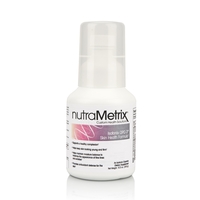
nutraMetrix® OPC-3 Skin Health Formula Helps maintain skin moisture,  collagen and elastin levels

nutraMetrix® VitaShield® OPC-3® Triple Serum Helps reduce the appearance of wrinkles, promotes healthy skin elasticity and firmness, moisturizes skin


nutraMetrix® VitaShield® Intensive Eye Firming Treatment Supports the normal production of collagen for firmer skin


Tuesday, January 15, 2013

Dr. Oz touts skin health benefits of Pycnogenol


We already know Dr. Oz loves astaxanthin. Now he’s on a new quest: to tell everyone about the wonders of Pycnogenol for achieving younger-looking skin.
In a recent segment on his show, Dr. Oz discussed how Pycnogenol – an extract from the bark of the French maritime pine tree – can help your skin cells regain their moisture to give you a smoother appearance.

“Could [Pycnogenol] be the secret to looking seven years younger?” Dr. Oz asked his audience. “I researched it, and the consensus is yes.”
The secret, Dr. Oz says, behind Pycnogenol’s superior anti-aging effects is its “incredible antioxidant and anti-inflammatory powers” that help boost the body’s hyaluronic acid levels by 44 percent. Hyaluronic acid, which plays an important role in tissue hydration, lubrication and cellular function, “is the primary agent that keeps skin tight and wrinkle-free,” Dr. Oz says.
“That means that in about 12 weeks of taking [P]ycnogenol, you may see smoother skin, a reduction in fine lines, and more supple skin,” Dr. Oz says on his website.
To longtime Market America and nutraMetrix customers, the benefits of Pycnogenol are no secret. Since 1995, Market America has be providing millions with the only isotonic form of Pycnogenol in the world in Isotonix OPC-3. Since then, Isotonix has been proud to include its isotonic form of Pycnogenol in other nutritional supplements, including:
  • Isotonix OPC-3 Beauty Blend, formulated to promote skin elasticity, support healthy collagen production, replenish essential vitamins and minerals for the skin, and provide the skin and body with improved antioxidant defenses; Contains both Pycnogenol & Hyaluronic Acid that Dr. Oz mentioned
  •  http://bit.ly/106XTw5


nutraMetrix Isotonix OPC-3® is an isotonic-capable food supplement that is made from a combination of bilberry, grape seed, red wine and pine bark extracts, and citrus extract bioflavonoids, all found to be powerful antioxidants.  Studies have shown OPCs to be up to 20 times more powerful than vitamin C and 50 times more powerful than vitamin E in neutralizing free radicals. nutraMetrix Isotonix OPC-3 contains the only isotonic form of Pycnogenol® in the world.


http://bit.ly/Wa2bit


 While other supplements on the market can claim to have Pycnogenol, the superior Isotonix delivery system ensures that its ingredients – including Pycnogenol – are absorbed by the body in the most efficient, effective manner. Without the need for fillers and binder found in most pills and tablets, Isotonix nutritional supplements deliver maximum results in each and every serving.

Other skincare products containing Opc3 include:


nutraMetrix® VitaShield® OPC-3® Triple Serum Contains both OPC3 & Hyaluronic Acid which provides strong antioxidant protection, helps maintain youthful-looking skin, promotes healthy cell growth for smooth, radiant looking skin, Refines skin tone & moisturizes skin


nutraMetrix® VitaShield® Intensive Eye Firming Treatment Contains both OPC3 & Hyaluronic Acid which supports the delicate skin surrounding the eyes, normal production of collagen for firmer skin,  normal process that produces firm, smooth, evenly-colored and visually superior skin.

http://bit.ly/TpkuOW


So tell us: how has Pycnogenol helped you?